
Applications
Chemical Processing
Controlled vacuum drying and solvent recovery for oxidation-sensitive, toxic, or explosive chemical intermediates and products.
Discuss Your MaterialRecommended Equipment
Equipment suited to this application
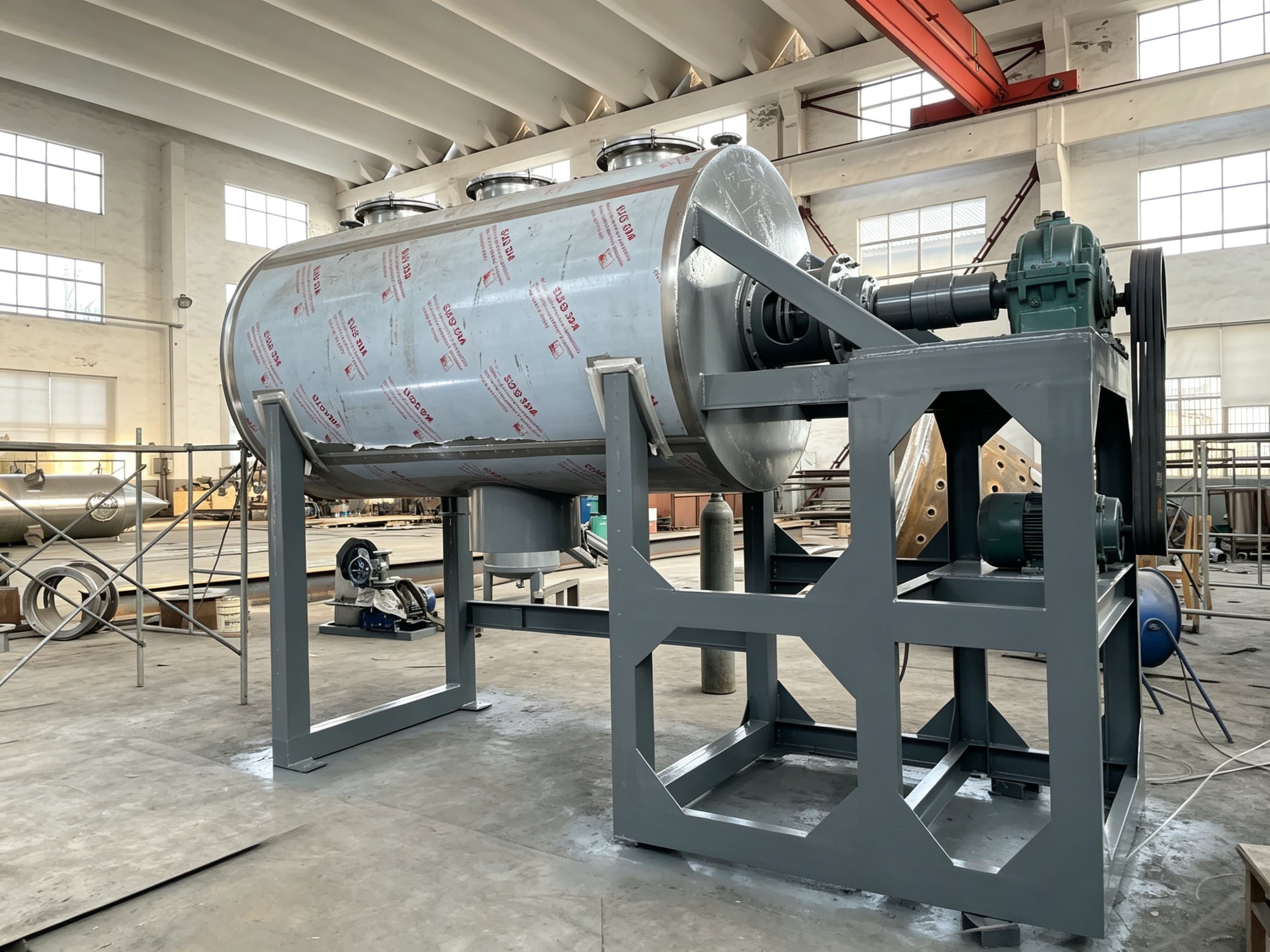 ZPG Series
Drying Equipment
ZPG Vacuum Rake Dryer
Horizontal batch vacuum dryer with a scraper-blade rake for pastes, paste-like, and powdery materials.
View specifications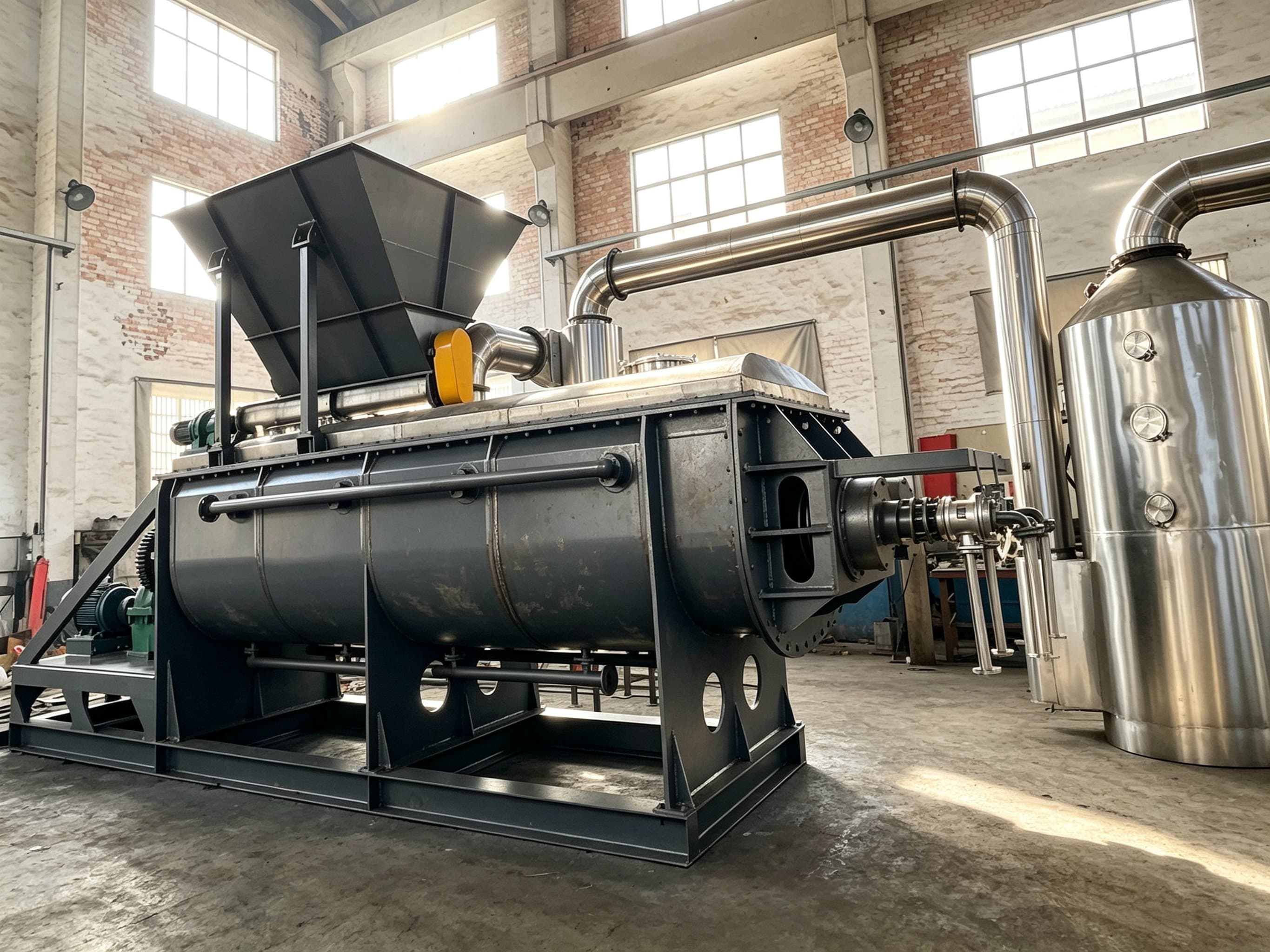 KJG Series
Drying Equipment
KJG Hollow Blade Dryer
Self-cleaning wedge-shaped hollow blade (paddle) dryer for indirect heating, cooling, and low-temperature calcination.
View specifications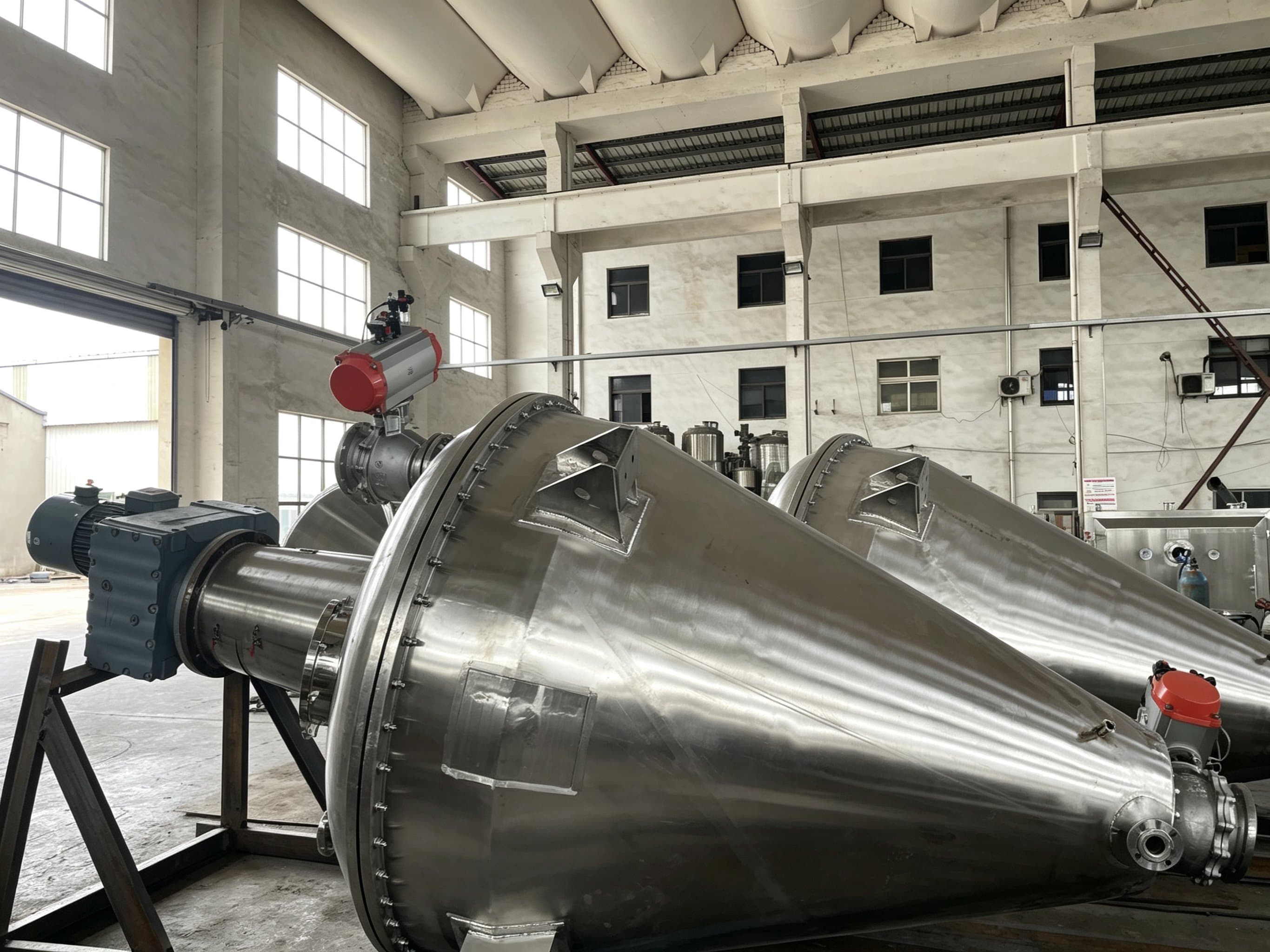 DZG Series
Drying Equipment
DZG Single Cone Vacuum Ribbon Dryer
Vertical vacuum dryer with an internal heated ribbon that combines drying and mixing in a single operation.
View specificationsCase Studies
Related project examples
Chemical
Vacuum Rake Drying for an Oxidation-Sensitive Chemical Intermediate
A specialty chemical producer needed to dry a paste-form intermediate that was prone to oxidation and discoloration when exposed to air at elevated temperature. Conventional oven drying produced inconsistent color and required a lengthy secondary solvent-recovery step, adding cost and processing time to each batch.
Read case studyEnvironmental
Filter Cake Volume Reduction with a Hollow Blade Dryer
An industrial facility needed to reduce the volume and weight of filter cake generated by its wastewater treatment process to lower disposal costs and transport frequency. The material had a variable moisture content and needed continuous processing to keep pace with the treatment line.
Read case studyChemical
Drying Pigment Filter Cake in a Vacuum Rake Dryer
Pigment filter cake arrives from the filter press as a dense, water-wet paste. Drying it in a tray oven drives surface water off quickly but leaves the cake case-hardened, so the last of the moisture has to diffuse through a crust and the batch takes far longer than the first hour suggests. Colour shift is the other risk: pigment pastes that sit on a hot surface discolour at the contact layer.
Read case study